Scaling a 3D Asset Ecosystem
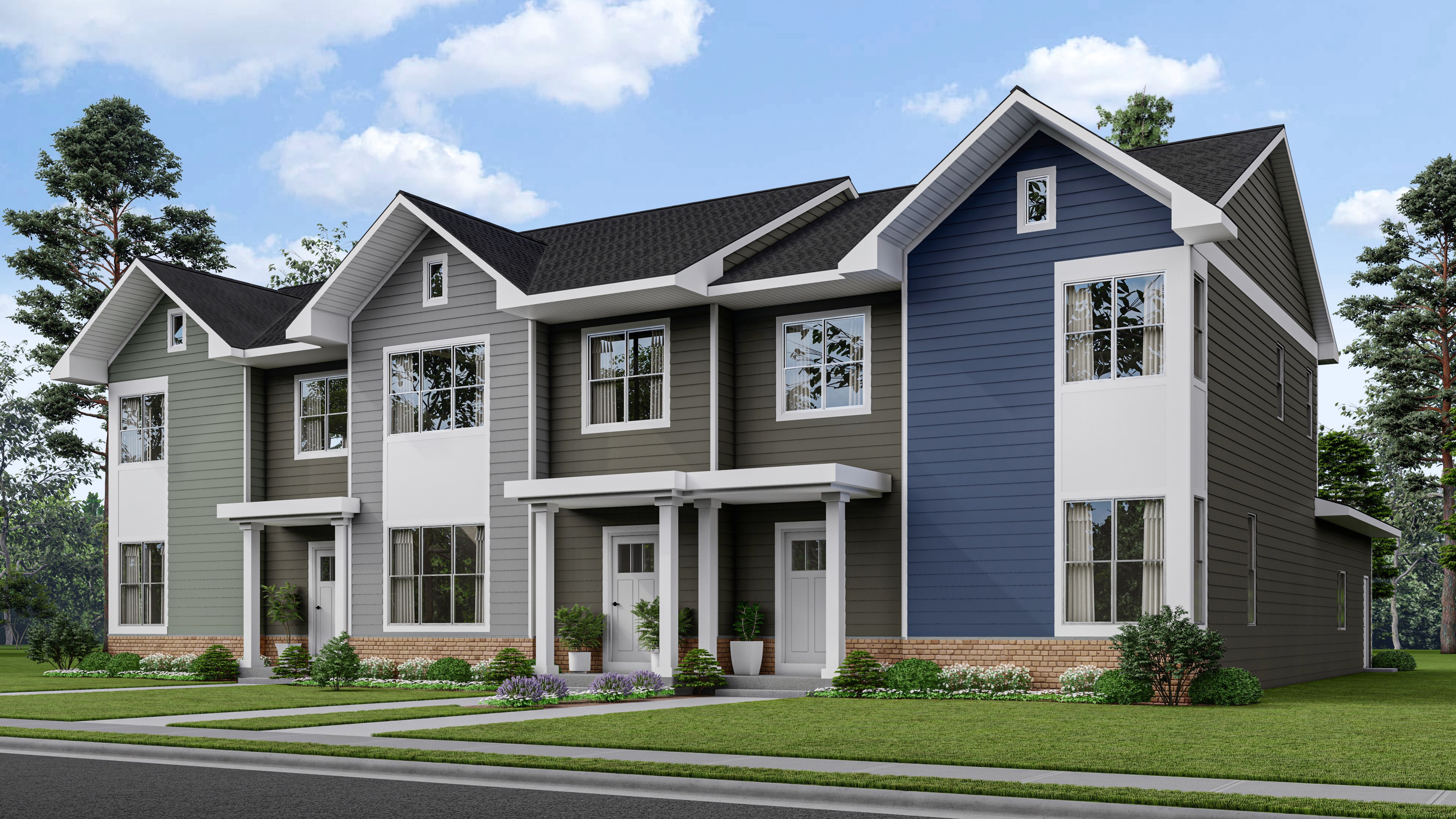
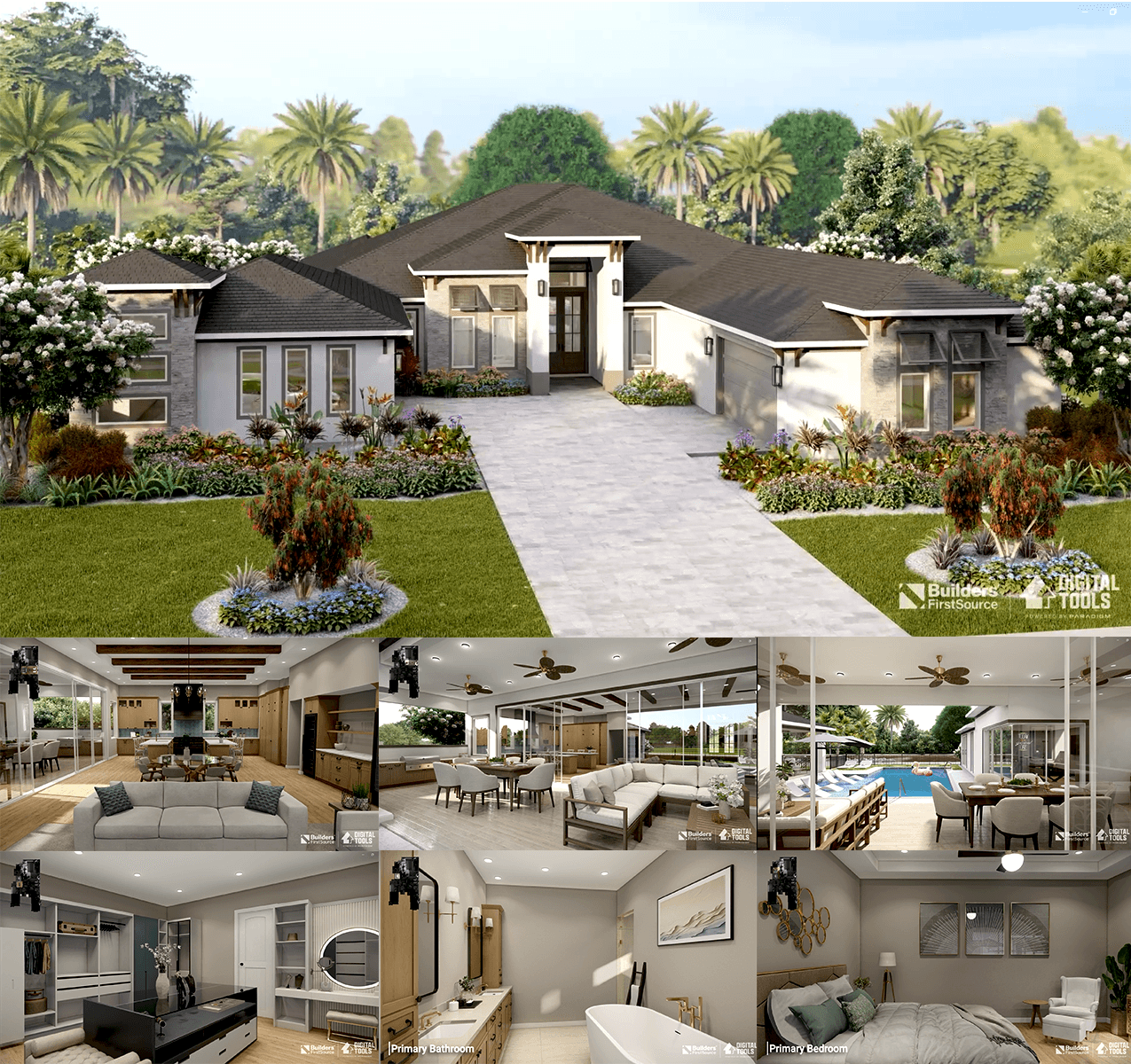
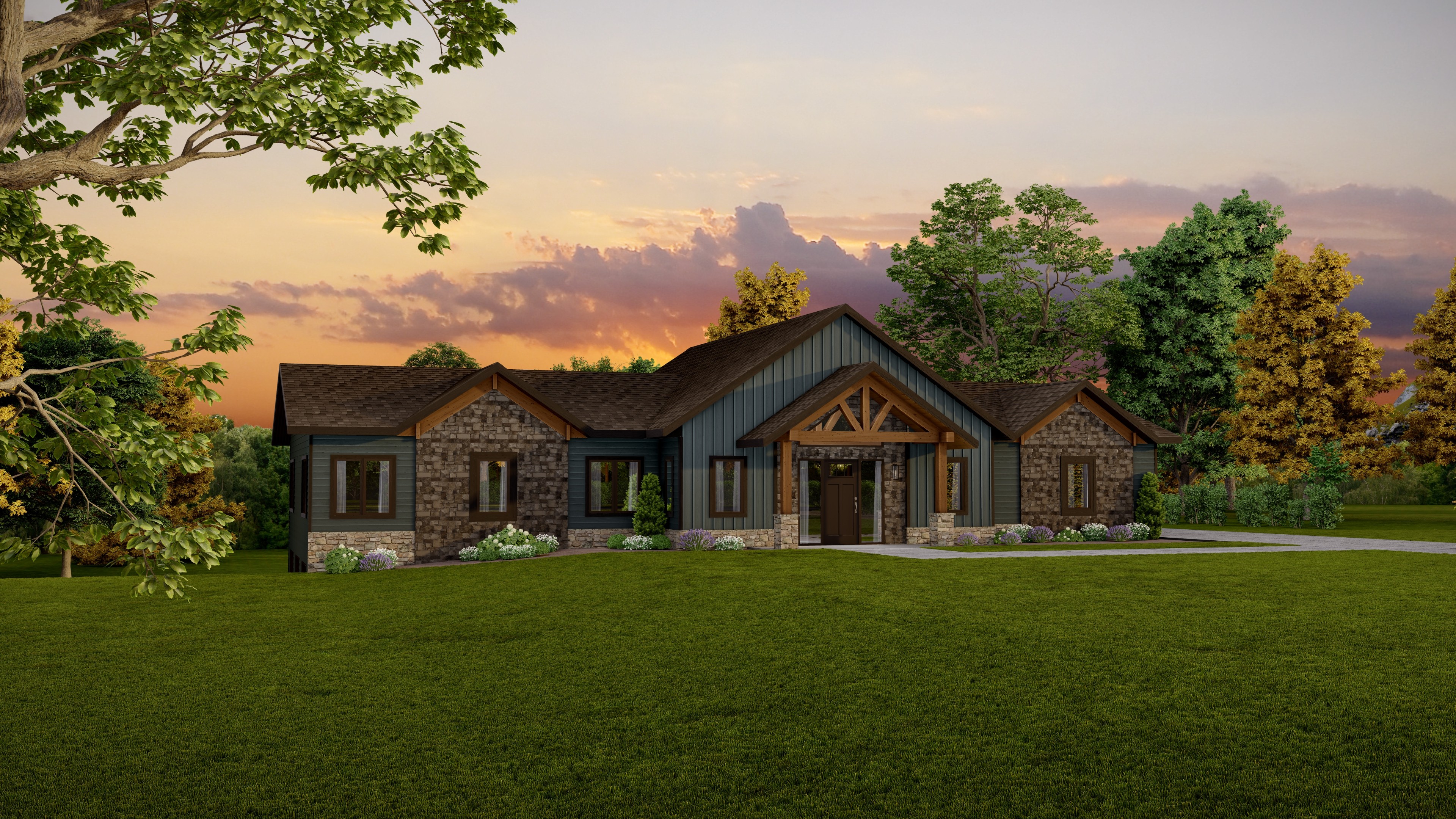
Built and scaled a global 3D asset pipeline from the ground up, increasing production from hundreds to tens of thousands of assets while improving efficiency, quality, and delivery speed.
category
System + Scale + Measurable Impact
Deliverable
Delivered 30,000+ production-ready assets
type
Case Studies
Role
3D Asset Manager / Pipeline Lead
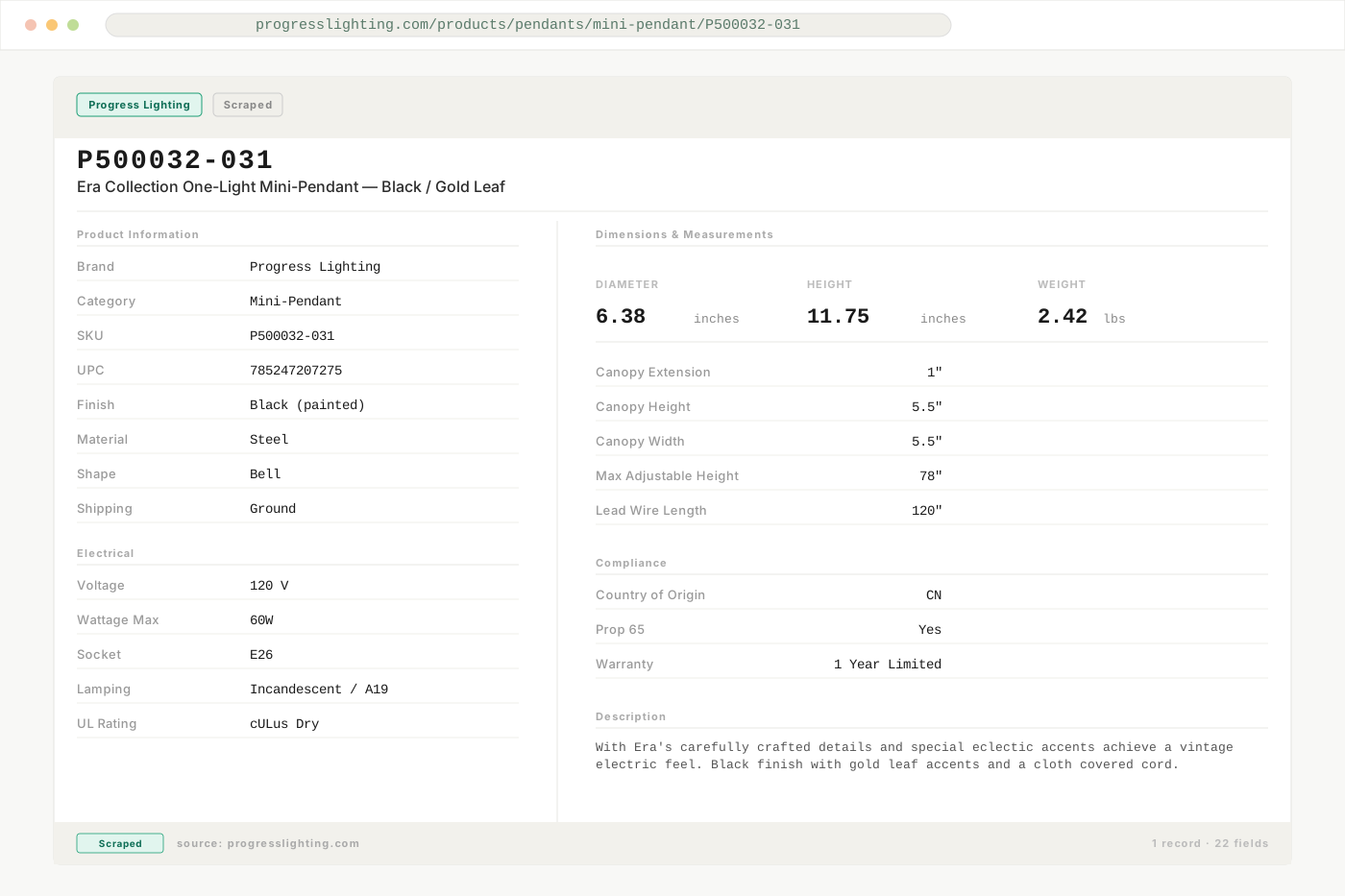
I lead the design and development of scalable 3D asset ecosystems that power real-time visualization, configurators, and ecommerce experiences.
My work focuses on transforming fragmented asset workflows into structured, repeatable systems that improve speed, quality, and consistency at scale. By aligning production, technology, and business goals, I build platforms that enable teams to move faster while maintaining high visual standards.
The result is not just better assets, but a more efficient and scalable foundation for digital content delivery.
Building Systems That Scale
I approach digital assets as a platform problem, not just a production task.
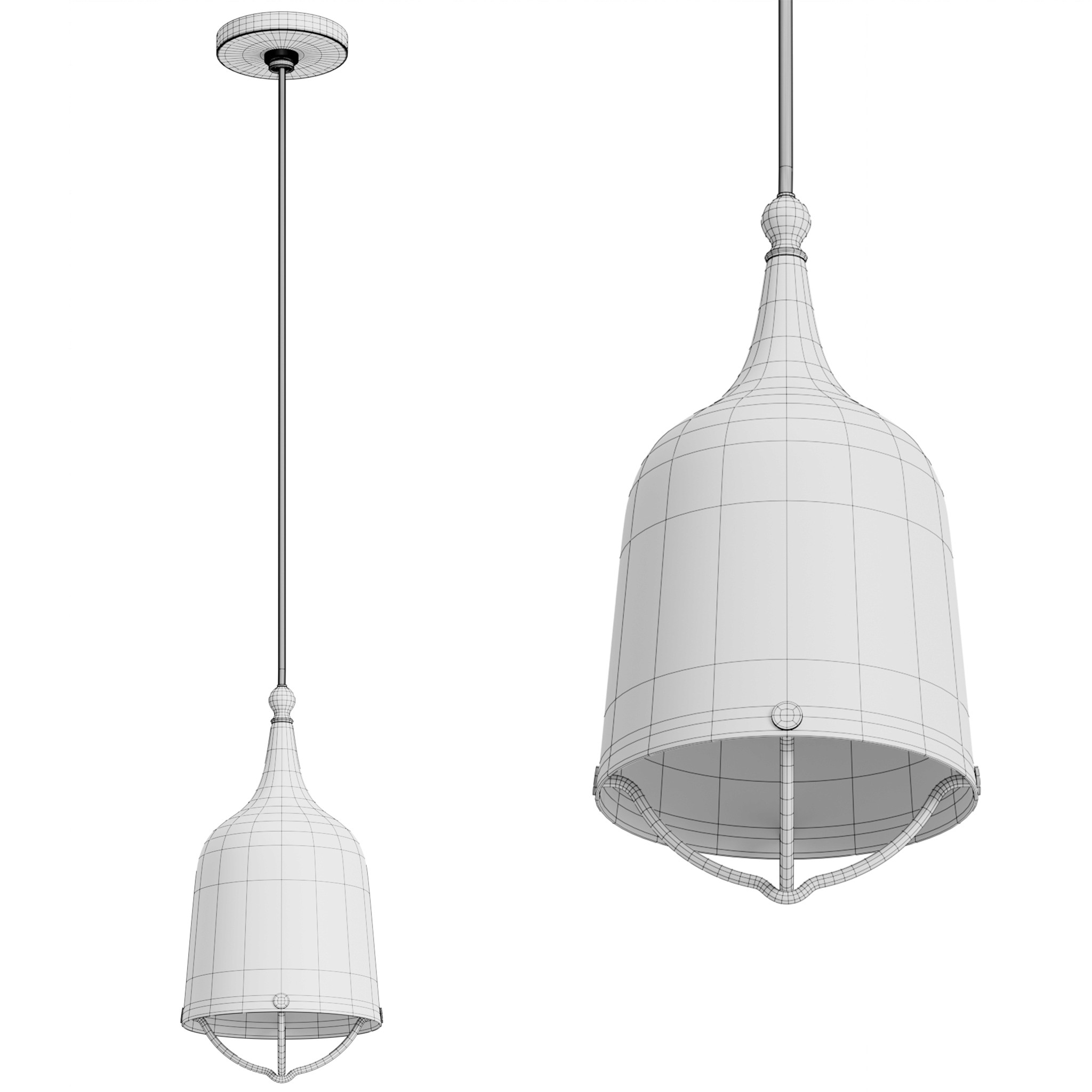
The starting point is always the same: a fragmented workflow producing inconsistent results. Assets built differently by different people, for different platforms, with no shared standard.
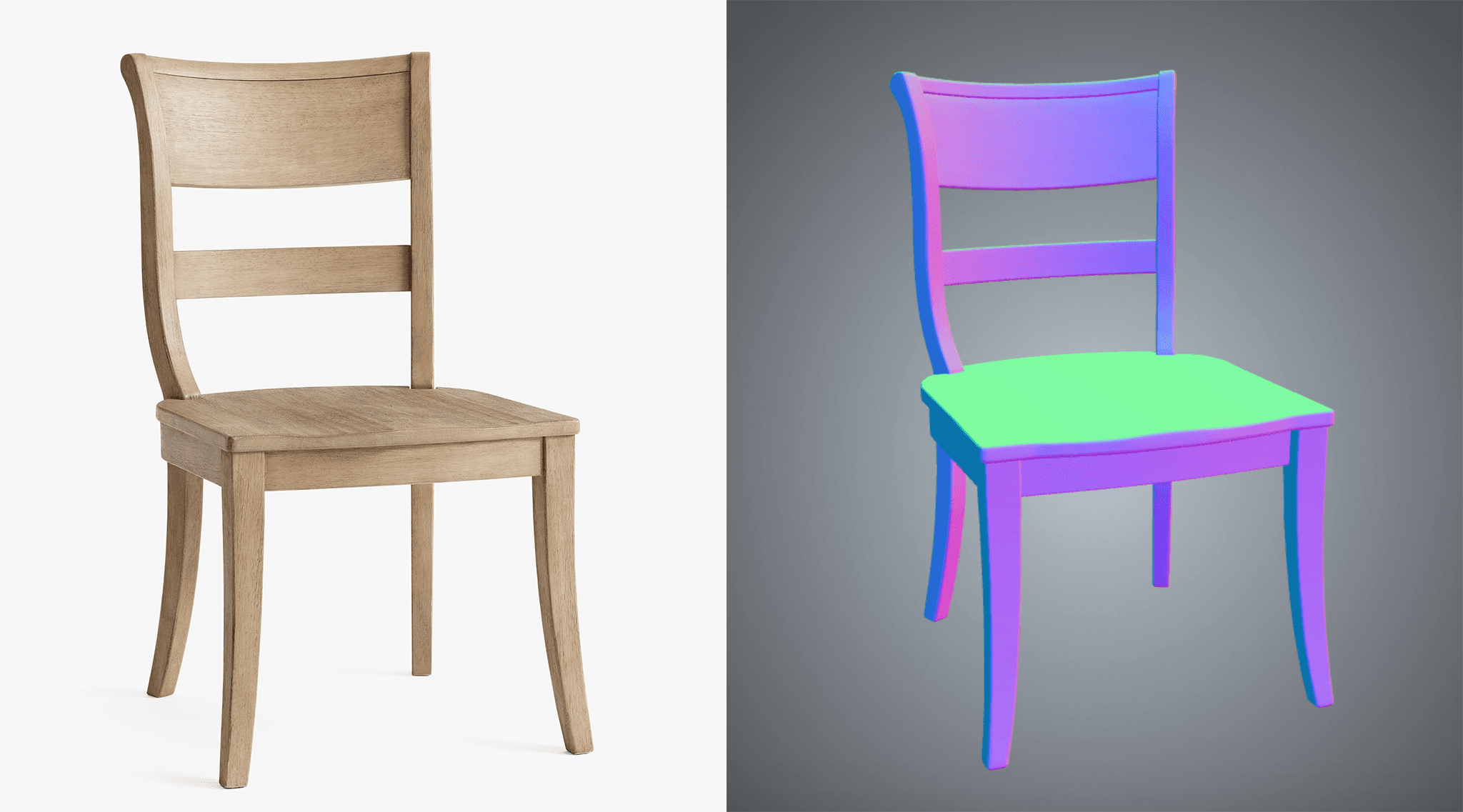
My approach is to treat asset production like software development — with defined inputs, structured processes, version control, and clear interfaces to downstream systems. That means standardizing how assets are built from the ground up: naming conventions, geometry standards, material libraries, and LOD strategies that work across real-time engines, configurators, and web.
From there, I focus on integration. Assets don't live in isolation — they feed visualizers, configurators, and ecommerce platforms, each with their own technical requirements. Building that connection into the workflow from day one means assets are usable, reusable, and rarely need rework.
Outcome
The result was a production pipeline that could scale without breaking. Throughput increased significantly while rework and inconsistency dropped. Teams that previously operated in silos were aligned around a shared system, producing assets that met platform requirements on the first pass.
Downstream impact was just as meaningful. Assets became easier to integrate, faster to update, and built to serve multiple use cases simultaneously — from photorealistic ecommerce renders to real-time configurator models. What started as a production improvement became a platform.

Reflection
The biggest shift in this work isn't technical — it's philosophical. Treating digital assets as a product rather than a deliverable changes everything. Products have standards, versioning, documentation, and roadmaps. Deliverables just ship and move on.
When asset creation is designed with downstream usage in mind, and when the people, process, and tooling are aligned around that goal, you stop solving the same problems repeatedly. You build something that compounds — a foundation that gets more valuable as the catalog grows, not harder to maintain.
That's the real work. Not making one great asset. Making the system that makes thousands of them.