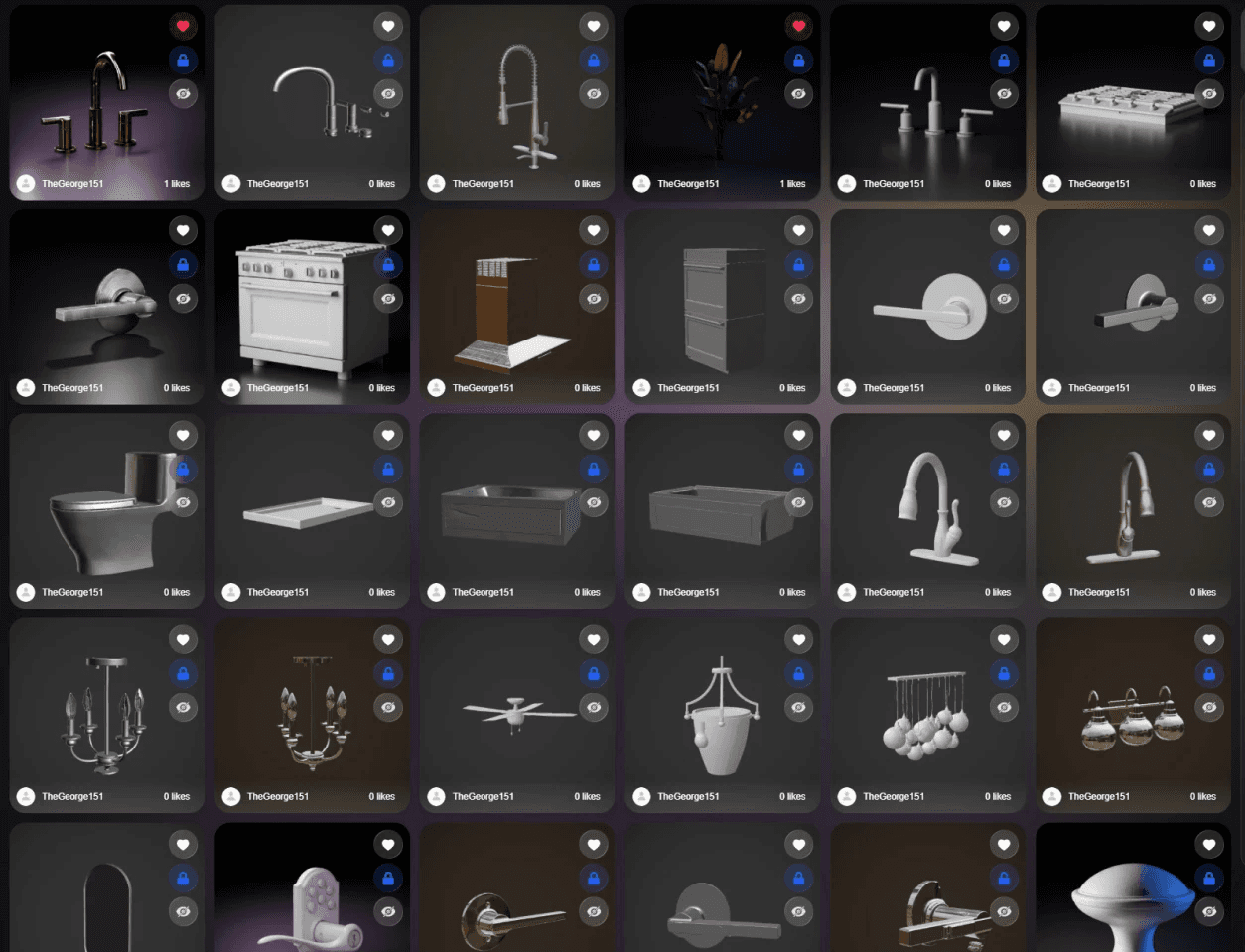
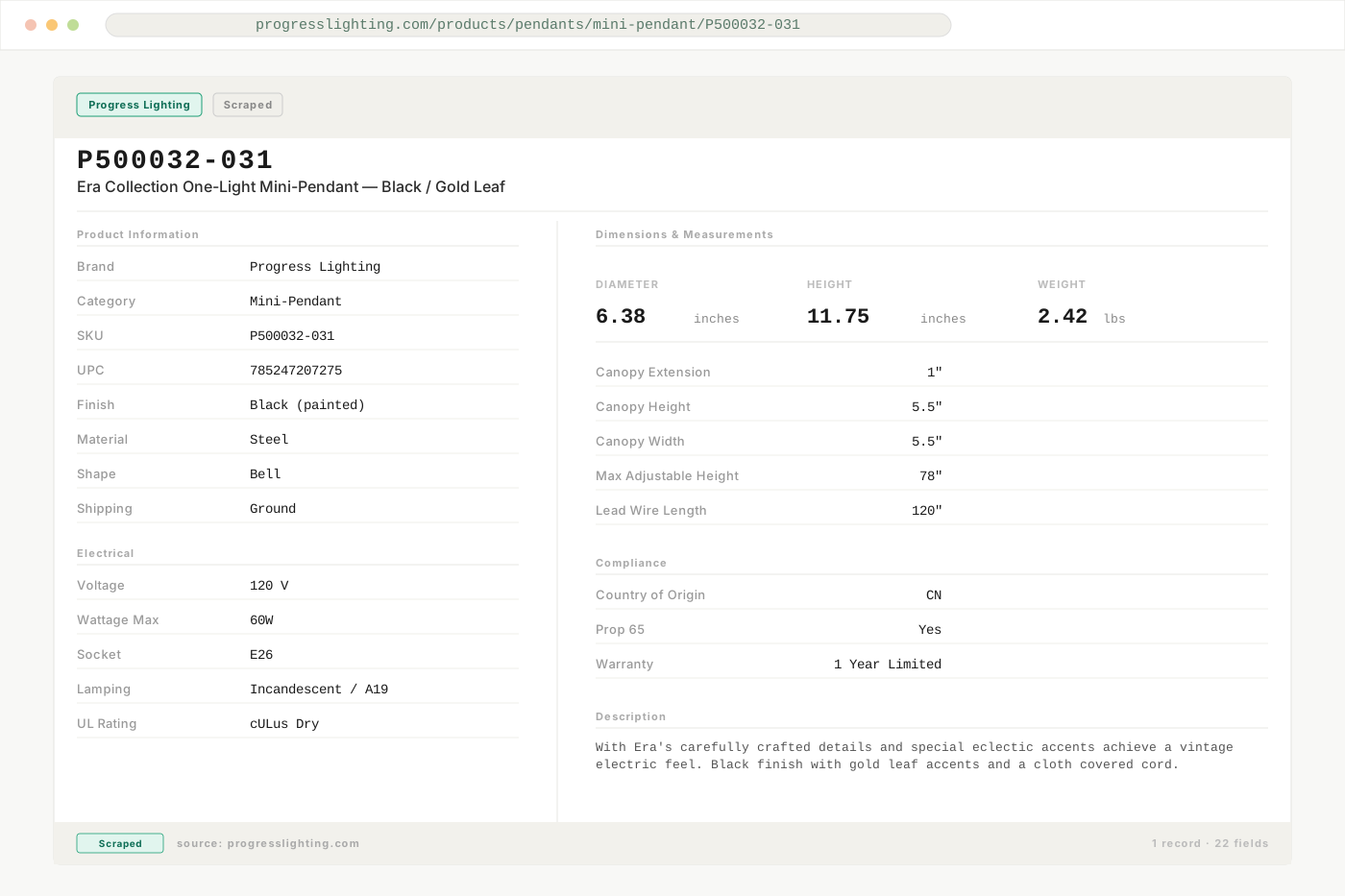
AI-Powered 3D Pipeline
Explored and implemented AI-driven workflows to accelerate 3D asset creation, focusing on scalable texture generation, workflow automation, and future-ready pipeline integration.
category
AI + Automation + Pipeline Innovation
Deliverable
Evaluation of AI tools for production scalability and quality
type
Innovation / R&D
Role
3D Asset Manager / Pipeline Strategist

To explore the role of AI in 3D asset production, I led an initiative focused on integrating AI-assisted workflows into the existing pipeline. The goal was to reduce manual effort in high-volume asset creation, particularly in texture development, while maintaining production quality and scalability.
Approach
Focused on identifying where AI could meaningfully accelerate production without compromising quality, starting with high-volume, repeatable asset types.
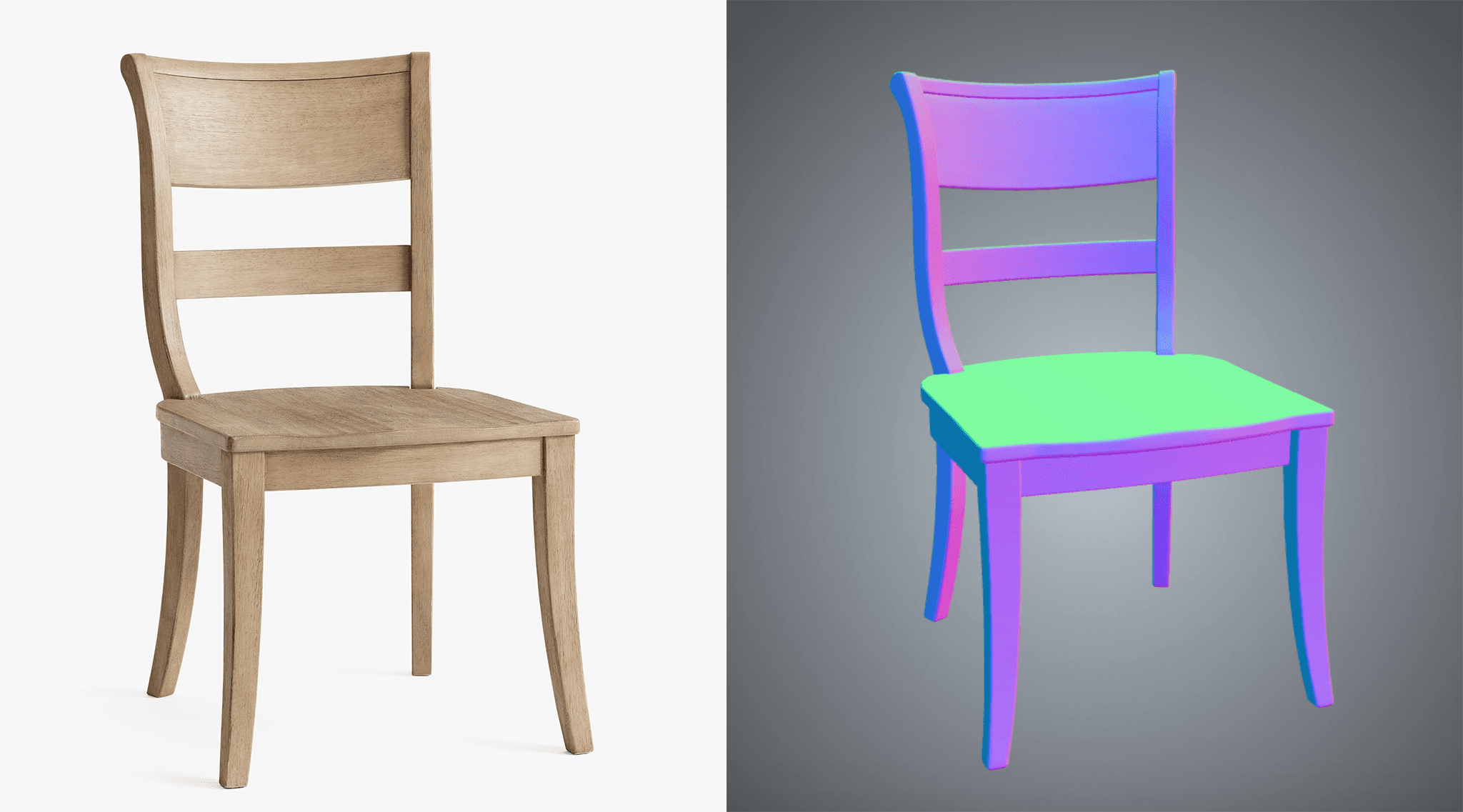
I approached AI integration as a production problem, not a tool experiment. The goal was to identify where automation could reduce manual effort while maintaining the visual and technical standards required for real-time applications.
Initial efforts focused on texture generation for high-volume categories like flooring and materials. I tested multiple AI tools and developed a repeatable workflow that included prompt structuring, output evaluation, and refinement to meet PBR and tiling standards.
Rather than replacing existing workflows, AI was introduced as an augmentation layer. This allowed artists to move faster while still maintaining control over final output. I also explored how these workflows could integrate into the broader pipeline, including opportunities for automation, standardization, and future system connectivity.
Outcome
The introduction of AI-assisted workflows significantly improved efficiency in texture creation, particularly for high-volume asset categories. Teams were able to generate and iterate on material variations more quickly, reducing time spent on repetitive tasks.
This work established a practical framework for integrating AI into production without sacrificing quality. It also created a foundation for future automation, where asset generation, variation, and ingestion can be further streamlined through system-level integrations.
Beyond immediate gains, the initiative positioned the pipeline to scale more effectively, supporting larger asset volumes and faster turnaround times while maintaining consistency across outputs.

Reflection
This initiative reinforced that AI is most effective when applied with structure and intent. The value wasn’t just in faster outputs, but in how those outputs could be integrated into a repeatable, scalable workflow.
One of the key takeaways was that high-volume, pattern-based asset types benefit the most from AI acceleration, while still requiring human oversight to ensure quality and consistency. The role of the artist shifts from creation to refinement and validation.
Looking forward, the opportunity is not just in improving individual tasks, but in connecting these workflows into a fully integrated pipeline. AI becomes most powerful when it operates as part of a system, not as a standalone tool.