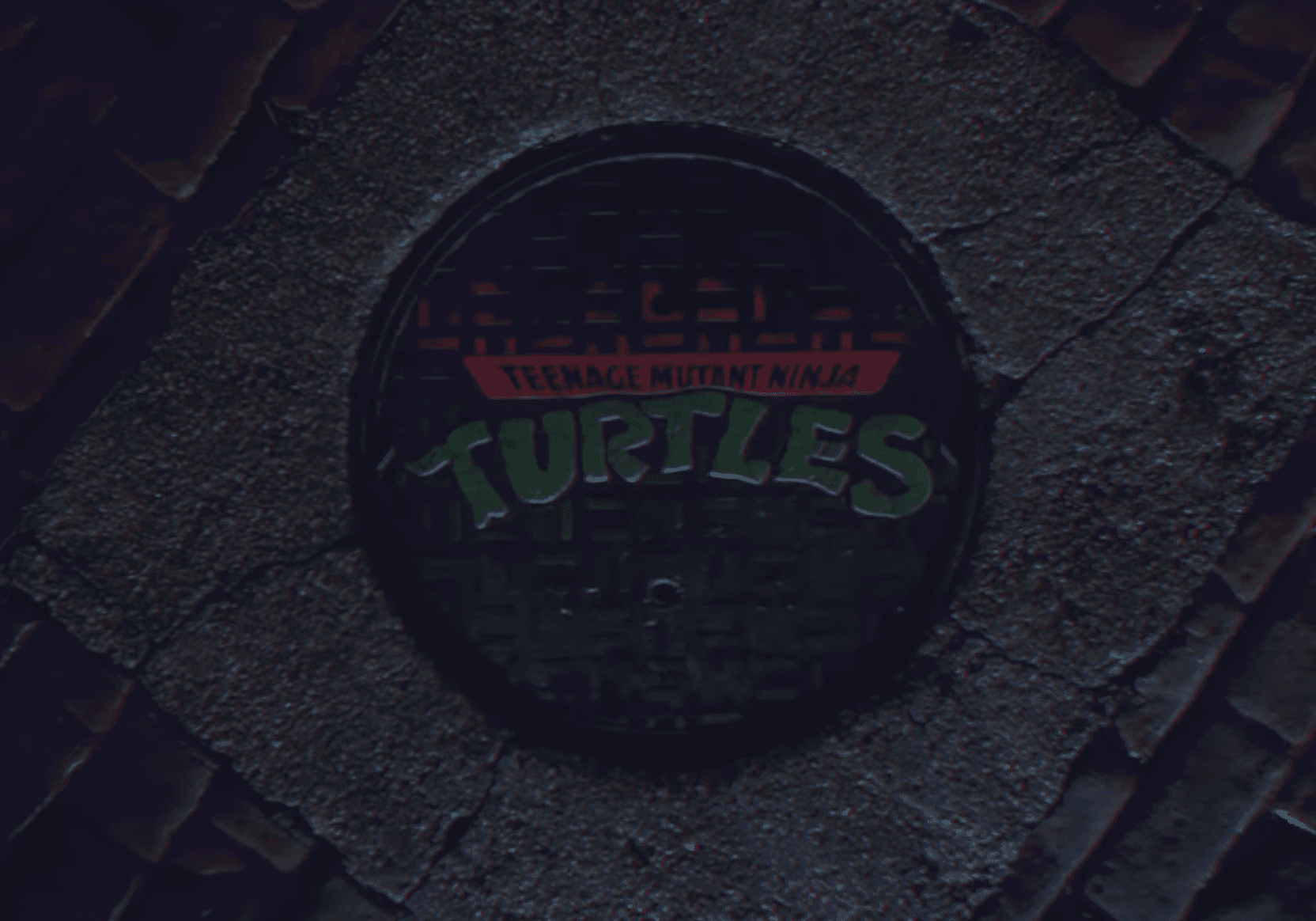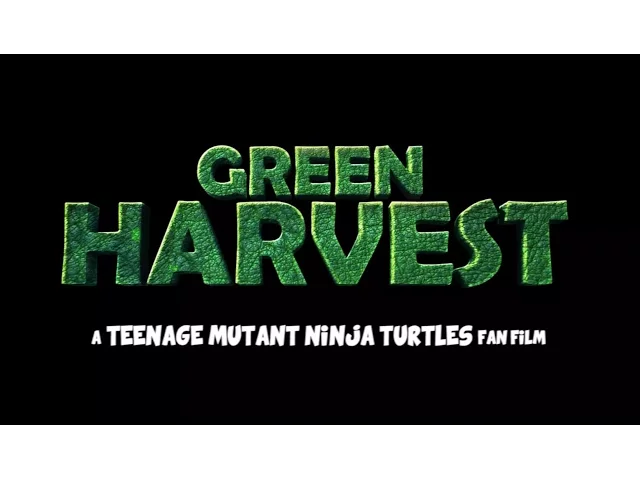
TMNT Opening Sequence
A frame-accurate 3D recreation of the original Teenage Mutant Ninja Turtles opening sequence, translating 2D nostalgia into modern 3D while preserving timing, energy, and visual identity.
category
Animation & Cinematic Recreation
Deliverable
Cinematic Animation Sequence
type
Cinematic
Role
3D Artist & Animation Contributor
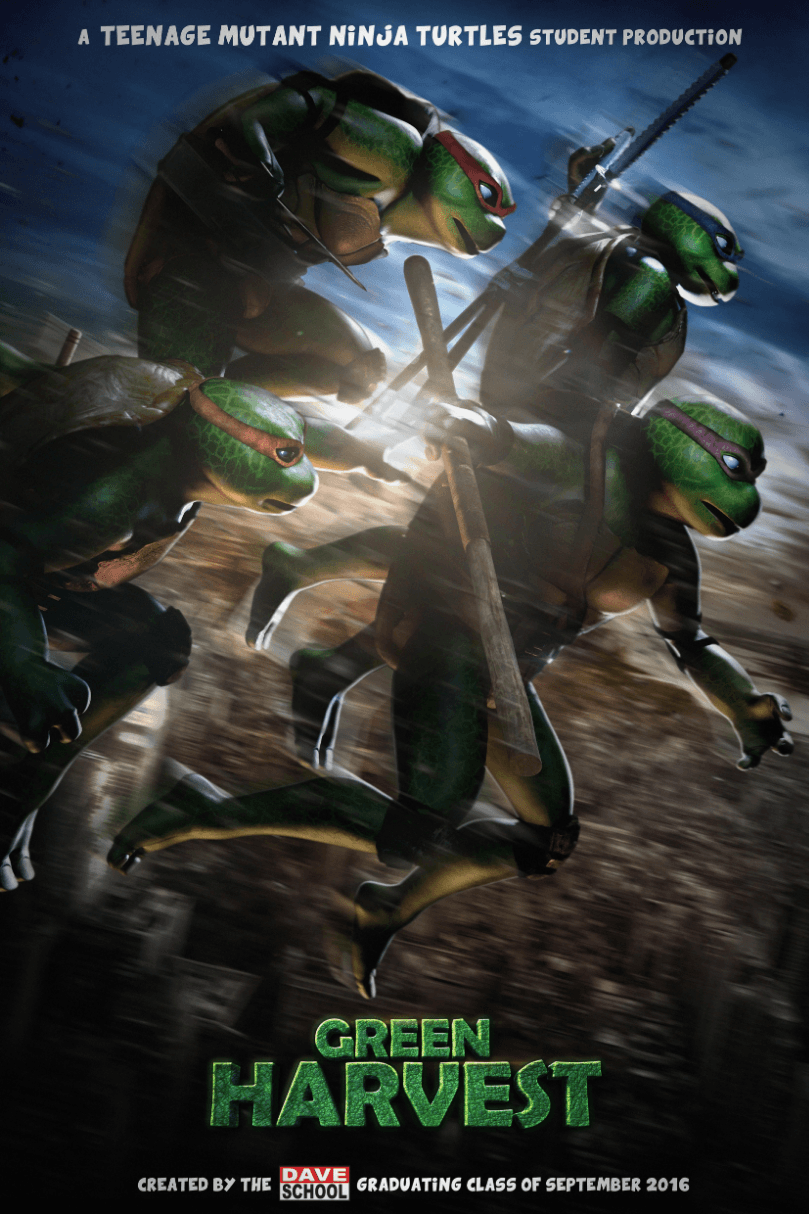
Recreating an iconic sequence isn’t just about matching visuals — it’s about understanding why it works. The original TMNT intro is fast, stylized, and deeply tied to its era, making it a unique challenge to translate into a modern 3D environment.
The goal of this project was to recreate the opening sequence shot-for-shot while adapting it to a physically-based 3D pipeline. This meant preserving the pacing, composition, and energy of the original while reinterpreting it through lighting, materials, and camera work that feel grounded in a real-world space.
The challenge wasn’t invention — it was precision.
Approach
A frame-by-frame reconstruction process focused on timing, composition, and translating 2D stylization into physically-based 3D.
The process began with breaking down the original sequence into key frames and motion beats. Every camera move, cut, and composition was analyzed to understand how the sequence builds momentum.
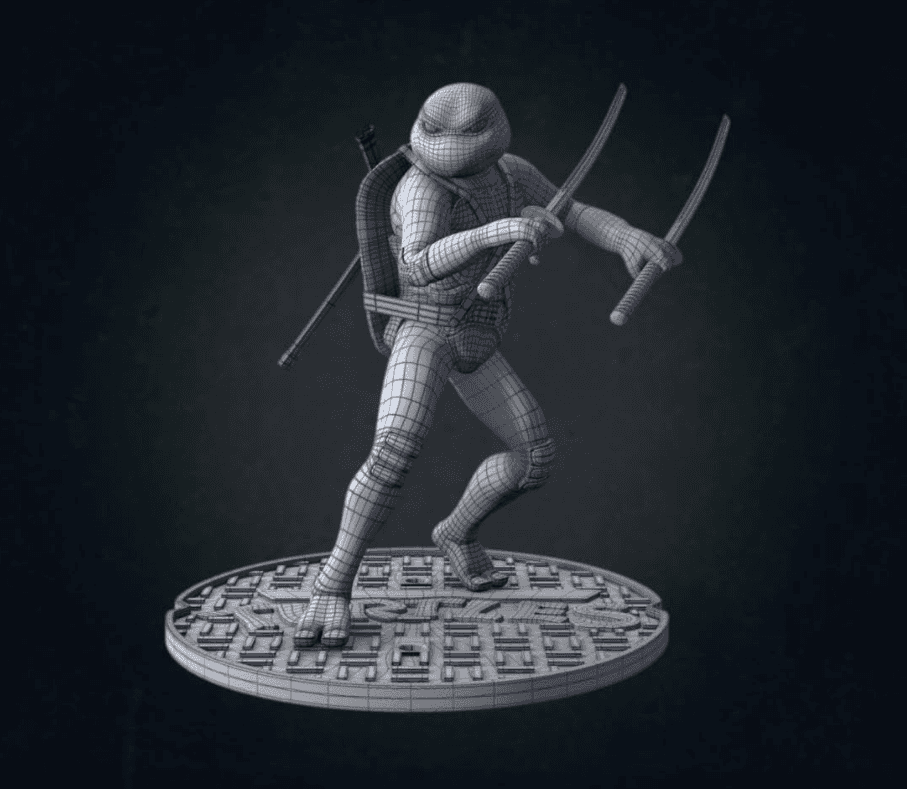
Assets were rebuilt in 3D with a balance between stylization and realism. Instead of directly copying flat visuals, forms were given depth and material logic while still honoring the original silhouettes.
Lighting played a major role in bridging the gap between 2D and 3D. Rather than relying on exaggerated cartoon shading, scenes were lit in a way that preserved contrast and readability while introducing natural light behavior.
Animation timing was treated as a constraint — not something to reinterpret. Matching the rhythm of the original sequence ensured the final piece felt instantly recognizable.
Outcome
The final animation successfully translates a 2D cultural icon into a modern 3D format without losing its identity.
Shots remain faithful to the original sequence, but gain depth through lighting, materials, and spatial awareness. The result feels both nostalgic and contemporary — familiar in motion, but elevated in execution.
More importantly, the project demonstrates the ability to work within constraints — replicating an established visual language while adapting it to a completely different medium.
Reflection
This project reinforced that great animation isn’t just about visuals — it’s about timing, rhythm, and intent.
Working from an existing piece removed creative freedom in some areas, but replaced it with a different challenge: precision. Every decision had to support recognition while still improving fidelity.
It shifted the focus from “what looks good” to “what feels right” — a mindset that carries into all cinematic and production work.