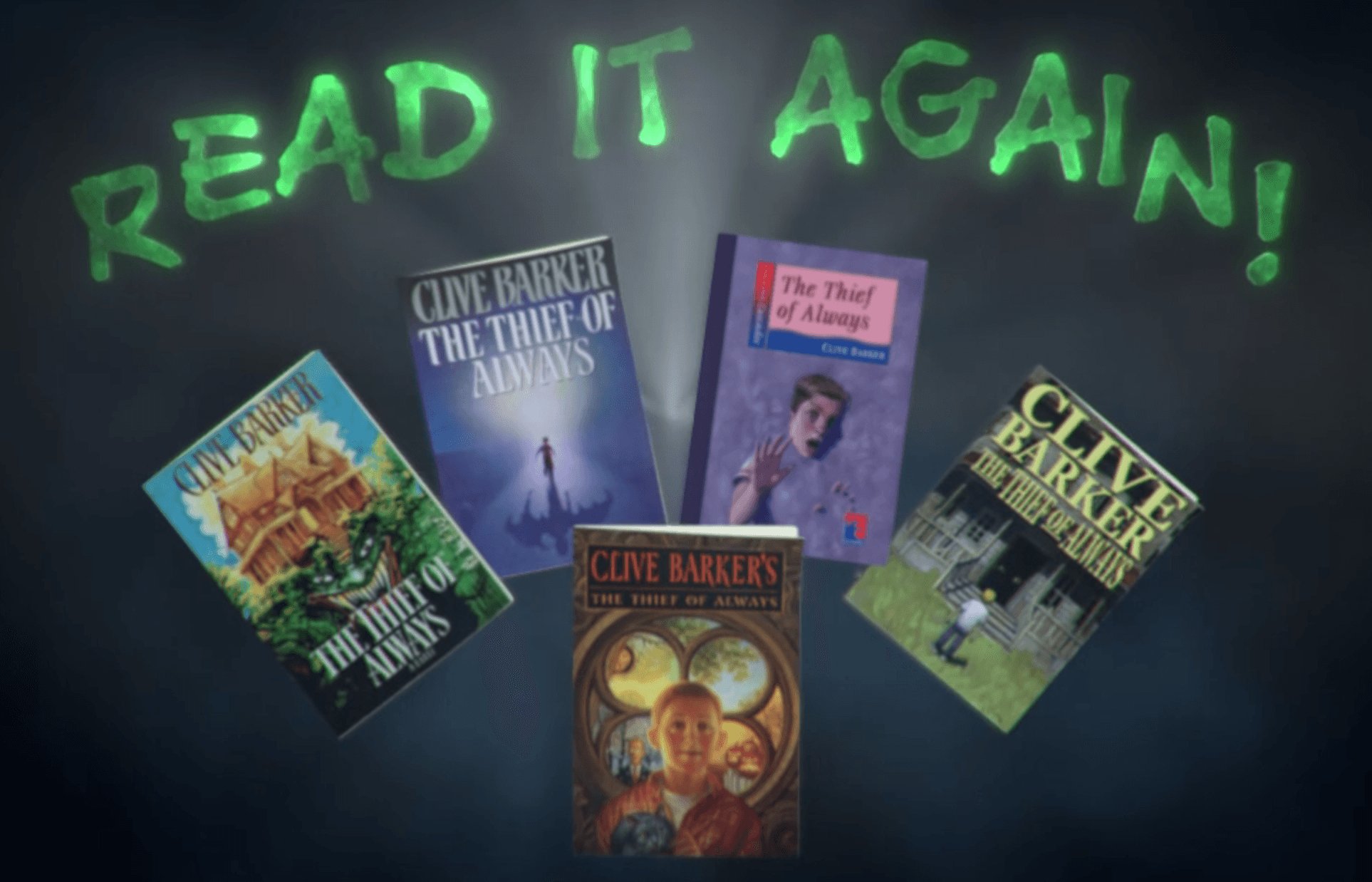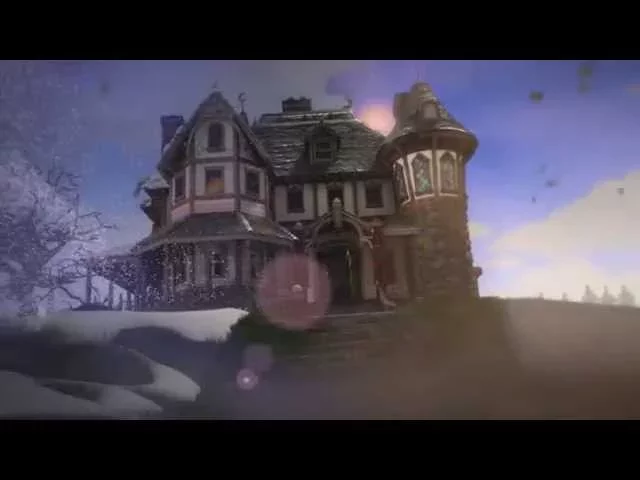
The Thief of Always Trailer
Cinematic trailer development for The Thief of Always, focused on mood, environmental storytelling, and visual tone to support narrative-driven content.
category
Cinematic 3D & Storytelling
Deliverable
Book Trailer Animation
type
Cinematic
Role
3D Artist & Environment Contributor

Unlike product or asset-driven work, cinematic trailers are built around emotion and tone. For The Thief of Always, the goal was to create a visual experience that reflects the unsettling, surreal atmosphere of the story.
This required a shift from technical accuracy to narrative intent — using lighting, composition, and environment design to create tension, curiosity, and mood.
The challenge wasn’t realism alone. It was feeling.
Approach
A cinematic-first approach prioritizing mood, lighting, and environmental storytelling over pure technical showcase.
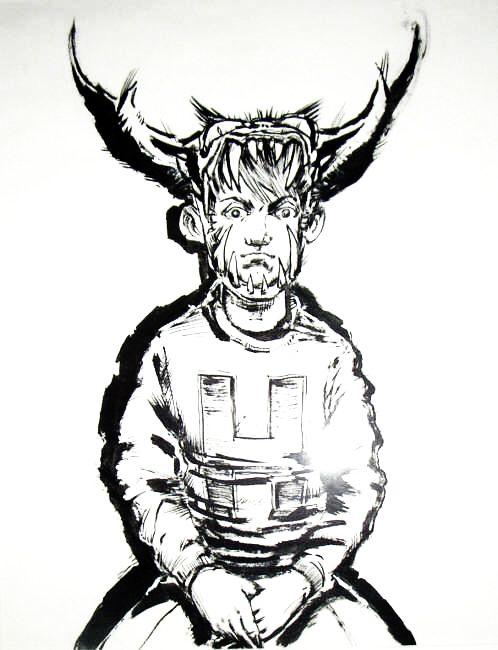
The work focused heavily on environment and scene composition. Assets were designed not just as standalone pieces, but as part of a larger visual narrative.
Lighting became the primary storytelling tool. High contrast, directional light, and atmospheric effects were used to guide the viewer’s eye and create unease.
Materials and textures were treated with restraint — supporting the tone rather than distracting from it. Subtle imperfections and environmental details helped ground the scenes while maintaining a stylized edge.
Camera work and framing were equally important. Shots were composed to reveal just enough information, allowing the viewer to engage with the scene without fully resolving it.
Outcome
The final trailer delivers a cohesive visual tone that supports the narrative without relying on exposition.
Each scene contributes to an overall atmosphere — one that feels immersive, slightly off-balance, and intentionally restrained. The visuals enhance the story rather than compete with it.
The project demonstrates an ability to shift from technical execution to narrative-driven design — using 3D as a storytelling medium rather than just a visual one.

Reflection
This project highlighted the difference between creating assets and creating experiences.
In cinematic work, realism is only one tool — mood, pacing, and composition carry equal weight. Every decision contributes to how something feels, not just how it looks.
It reinforced the importance of restraint — knowing when to simplify, when to obscure, and when to let the viewer fill in the gaps.